
Classic Caesar Salad Dressing is a timeless staple that transforms any bowl of greens into a restaurant‑level experience, and I’m excited to walk you through every detail of this easy, creamy masterpiece. In this guide you’ll learn why the balance of tangy lemon, sharp Dijon, umami Worcestershire, and rich Parmesan creates that iconic flavor, how to whisk the ingredients for a silky texture, and tips for storing the dressing so it stays fresh all week. Let’s dive in and make your salads unforgettable. It works great with grilled chicken, shrimp, or roasted veggies for a quick, tasty meal tonight.
Table of Contents
Why You’ll Love This Classic Caesar Salad Dressing
There is something magical about a dressing that can turn a simple bowl of lettuce into a restaurant‑quality side. This Caesar dressing delivers that magic with a perfect balance of acidity, umami, and creaminess. The lemon juice adds a bright, citrusy lift, while the Worcestershire sauce contributes depth and a hint of anchovy‑like savoriness without the fishy texture. Parmesan cheese adds a nutty richness that ties everything together.
Another reason home cooks keep returning to this recipe is its speed. With only a handful of pantry staples, you can whisk together a full‑flavored dressing in under ten minutes. No need for a blender, food processor, or special equipment—just a bowl and a whisk. The result is a smooth, velvety sauce that clings to every leaf, ensuring each bite is packed with flavor.
Equipment You’ll Need
Even though the ingredient list is short, having the right tools makes the process smoother and helps you achieve a flawless texture.
- Medium mixing bowl – a wide bowl gives you room to whisk without splatter.
- Whisk – a balloon whisk creates the best aeration for a light, smooth dressing.
- Measuring spoons – accurate measurements keep the balance of flavors spot‑on.
- Microplane or fine grater – for freshly grated Parmesan, which yields a brighter taste than pre‑grated cheese.
- Garlic press (optional) – if you prefer a finer garlic texture, a press works well.
Ingredients for Classic Caesar Salad Dressing
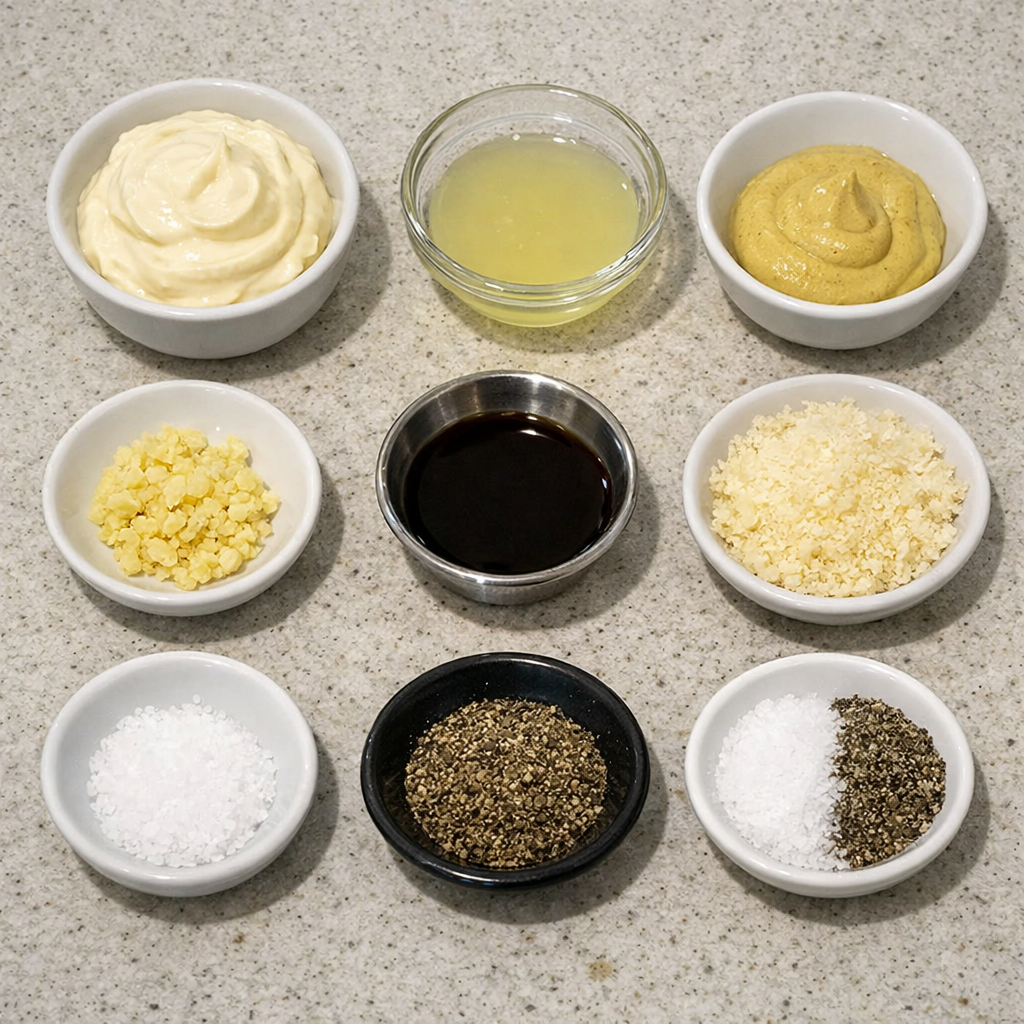
The following ingredients are the foundation of a traditional Caesar dressing. Each component plays a specific role in building flavor, texture, and aroma.
- 1 cup mayonnaise – provides the creamy base and helps emulsify the dressing.
- 2 tablespoons lemon juice – adds acidity and brightness.
- 2 teaspoons Dijon mustard – contributes tang and acts as an emulsifier.
- 1 tablespoon Worcestershire sauce – gives a deep, savory umami note.
- 1 clove garlic, minced – delivers aromatic sharpness.
- 1/4 cup grated Parmesan cheese – adds nutty, salty richness.
- Salt and pepper to taste – final seasoning adjustments.
Ingredient Substitutions
If you need to adjust the recipe for dietary preferences, you can swap mayonnaise for a vegan mayo or Greek yogurt for a lighter version. Freshly squeezed lemon is best, but bottled lemon juice works in a pinch. For a gluten‑free version, ensure the Worcestershire sauce you select does not contain added malt.
How to Make Classic Caesar Salad Dressing (Step‑by‑Step)
Step 1: Combine the Base Ingredients
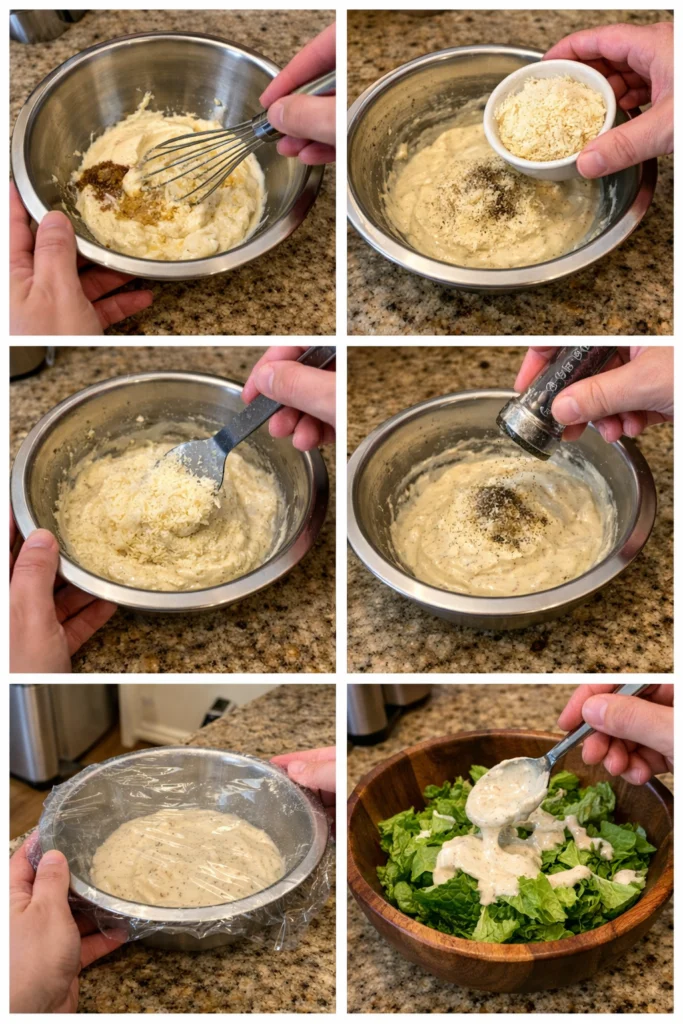
Place the mayonnaise, lemon juice, Dijon mustard, and Worcestershire sauce into your mixing bowl. Using a whisk, blend these liquids together until the mixture is smooth and uniform. This creates a stable emulsion that will hold the later additions.
Step 2: Add Garlic and Parmesan
Stir in the minced garlic, letting its raw bite disperse through the creamy base. Then sprinkle the grated Parmesan cheese, folding it in gently. The cheese will melt slightly, thickening the dressing and adding a salty depth.
Step 3: Season to Perfection
Season the dressing with a pinch of salt and freshly cracked black pepper. Taste and adjust as needed—if you prefer extra tang, add a few more drops of lemon juice; for more umami, a dash more Worcestershire sauce works well.
Step 4: Chill Before Serving
Cover the bowl with plastic wrap and refrigerate the dressing for at least 30 minutes. Chilling allows the flavors to meld, resulting in a more cohesive taste profile. Give it a quick stir before using.
Step 5: Serve or Store
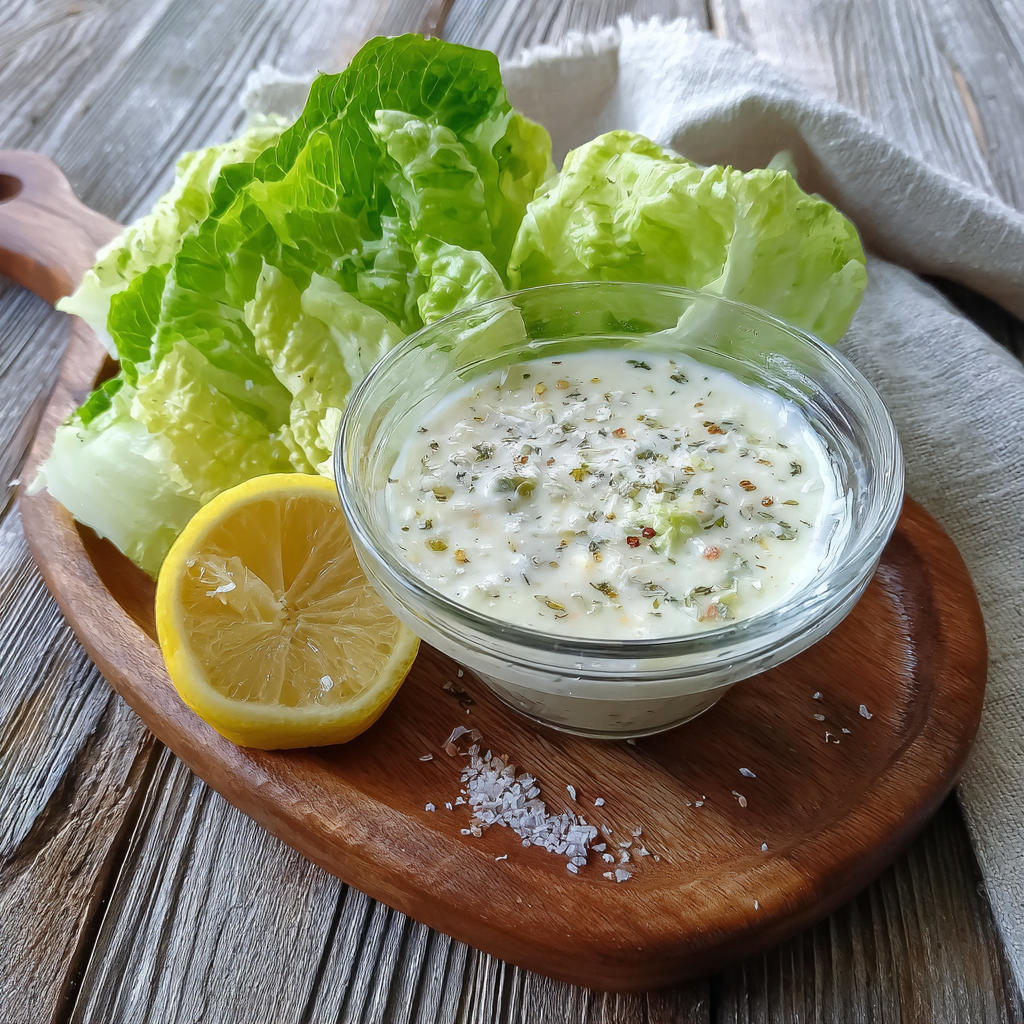
Drizzle the chilled dressing over crisp romaine lettuce, toss gently, and enjoy. You can also use it as a dip for fresh vegetables, a spread for sandwiches, or a sauce for grilled proteins. If you have leftovers, store them in an airtight container in the refrigerator for up to one week.
Variations and Twists
While the classic version is unbeatable, you can experiment with a few variations to suit different meals or flavor cravings.
- Spicy Caesar: Add a pinch of cayenne pepper or a dash of hot sauce for a subtle heat.
- Herb‑Infused: Mix in finely chopped fresh parsley or chives for a garden‑fresh lift.
- Anchovy‑Free: Increase Worcestershire sauce slightly and add a splash of capers for briny depth without anchovies.
- Lighter Version: Substitute half of the mayonnaise with Greek yogurt for reduced fat while keeping creaminess.
What to Serve With Classic Caesar Salad Dressing
The versatility of this dressing makes it a perfect companion for many dishes.
- Salads: Traditional Caesar with romaine, croutons, and extra Parmesan.
- Grilled Proteins: Brush over grilled chicken, shrimp, or salmon for a quick flavor boost.
- Vegetable Dips: Use as a dip for raw carrots, celery sticks, or bell pepper strips.
- Sandwich Spread: Spread on a baguette with sliced turkey and arugula for an elevated sandwich.
- Side Pairings: Serve alongside garlic bread or a warm quinoa pilaf for a balanced meal.
Pro Tips for Perfect Results
- Use freshly grated Parmesan; pre‑grated cheese often contains anti‑caking agents that affect texture.
- Whisk vigorously to fully emulsify the mayonnaise and lemon juice, preventing separation.
- Adjust acidity gradually—start with the recommended lemon juice and add more only if needed.
- For a smoother texture, press the garlic through a garlic press instead of mincing.
- Store the dressing in a glass jar with a tight‑fitting lid to maintain freshness.
Common Mistakes to Avoid
- Over‑mixing after chilling: Excessive stirring can cause the dressing to become watery.
- Using low‑quality mayonnaise: Cheap mayo may have a bland flavor and affect the overall taste.
- Skipping the rest period: The dressing needs time to let flavors blend; serving it immediately can taste flat.
- Adding too much salt: Parmesan already contributes salt, so season conservatively.
- Neglecting to taste: Always taste before final seasoning; small adjustments make a big difference.
Storage, Reheating & Make‑Ahead Tips
Proper storage extends the life of your Caesar dressing while preserving flavor.
- Refrigeration: Keep the dressing in a sealed container; it stays fresh for up to seven days.
- Freezing: Not recommended because the emulsion can break when thawed.
- Make‑Ahead: Prepare a batch on Sunday and portion it into small jars for weekday meals.
- Re‑whisk before use: If the dressing separates, a quick whisk will bring it back together.
Frequently Asked Questions
Can I use this dressing on other salads? Absolutely. It pairs well with kale, spinach, or mixed greens, adding a creamy tang.
Is this dressing safe for vegetarians? Yes, all ingredients are vegetarian‑friendly.
How long does the flavor develop? While it’s ready after 30 minutes, the taste deepens after a few hours.
Can I substitute the lemon juice? You can use lime juice for a different citrus note, but lemon gives the classic profile.
Why does the dressing thicken after chilling? The fats in mayonnaise solidify slightly at cooler temperatures, giving a richer mouthfeel.
Conclusion
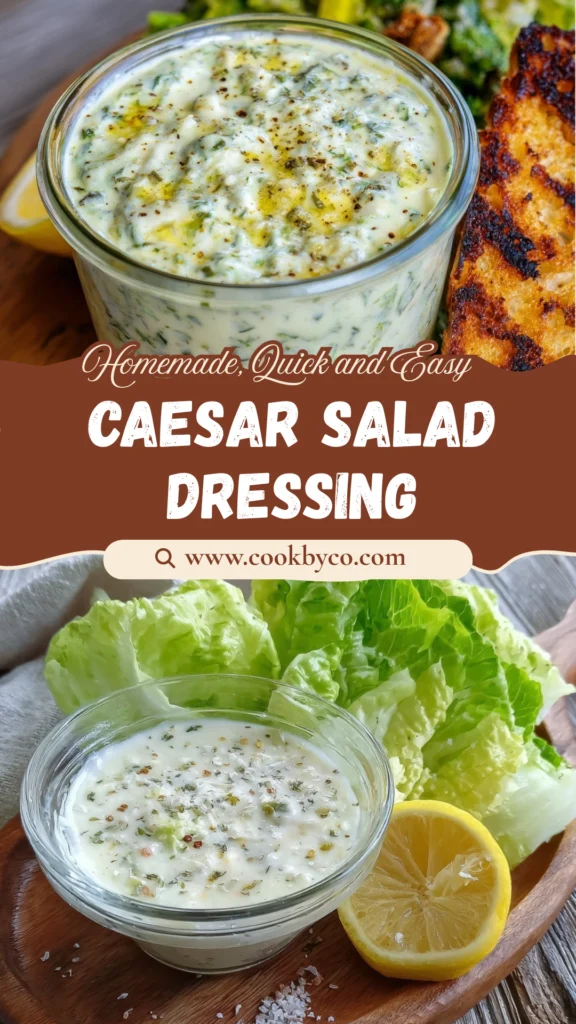
With just a few pantry staples and a handful of minutes, you now have a reliable recipe for Classic Caesar Salad Dressing that rivals restaurant versions. Whether you’re tossing a simple green salad, dipping fresh veggies, or adding a finishing touch to grilled proteins, this versatile dressing will become a staple in your kitchen. Enjoy the creamy, tangy goodness and feel free to experiment with the suggested twists to make it uniquely yours.
Print
Classic Caesar Salad Dressing Recipe – Easy, Creamy, and Perfect for Any Salad
- Total Time: 10 minutes
- Yield: 8 servings 1x
- Diet: Vegetarian
Description
Discover the ultimate Classic Caesar Salad Dressing recipe that delivers restaurant‑quality flavor in minutes. This creamy, tangy blend combines smooth mayonnaise, bright lemon juice, sharp Dijon mustard, savory Worcestershire sauce, garlic, and Parmesan cheese for a perfectly balanced dressing. Ideal for tossing crisp romaine, drizzling over grilled proteins, or using as a dip, this easy‑make dressing is a pantry staple that elevates any meal with rich, authentic Caesar taste. Try it now for al
Ingredients
- 1 cup mayonnaise
- 2 tablespoons lemon juice
- 2 teaspoons Dijon mustard
- 1 tablespoon Worcestershire sauce
- 1 clove garlic (minced)
- 1/4 cup grated Parmesan cheese
- Salt and pepper to taste
Instructions
- In a mixing bowl, combine mayonnaise, lemon juice, Dijon mustard, Worcestershire sauce, and minced garlic. Whisk until smooth. Stir in grated Parmesan cheese and mix well. Season with salt and pepper to taste, adjusting as needed. Refrigerate the dressing for at least 30 minutes before serving. Drizzle over salad or use as a dip for fresh vegetables.
Notes
- Adjust lemon or garlic to taste. Refrigerate at least 30 minutes for flavor development. Store in an airtight container for up to one week.
- Prep Time: 10 minutes
- Cook Time: 0 minutes
- Category: Salad Dressing
- Method: No‑cook
- Cuisine: Italian
Nutrition
- Serving Size: 2 tablespoons
- Calories: 80
- Sugar: 1 g
- Sodium: 300 mg
- Fat: 8 g
- Saturated Fat: 1 g
- Unsaturated Fat: 6 g
- Trans Fat: 0 g
- Carbohydrates: 2 g
- Fiber: 0 g
- Protein: 1 g
- Cholesterol: 5 mg
Keywords: Classic Caesar Salad Dressing, caesar dressing recipe, homemade caesar dressing, easy salad dressing, creamy caesar dressing, how to make caesar dressing